Enterprise UX with Embedded AI: Designing Role-Based Supervisory Consoles and Workflows
Enterprise tools are ditching superficial chat sidebars. In 2026, leading B2B platforms embed AI directly into operational workflows, providing telemetry-backed supervisory consoles that multiply workforce productivity.
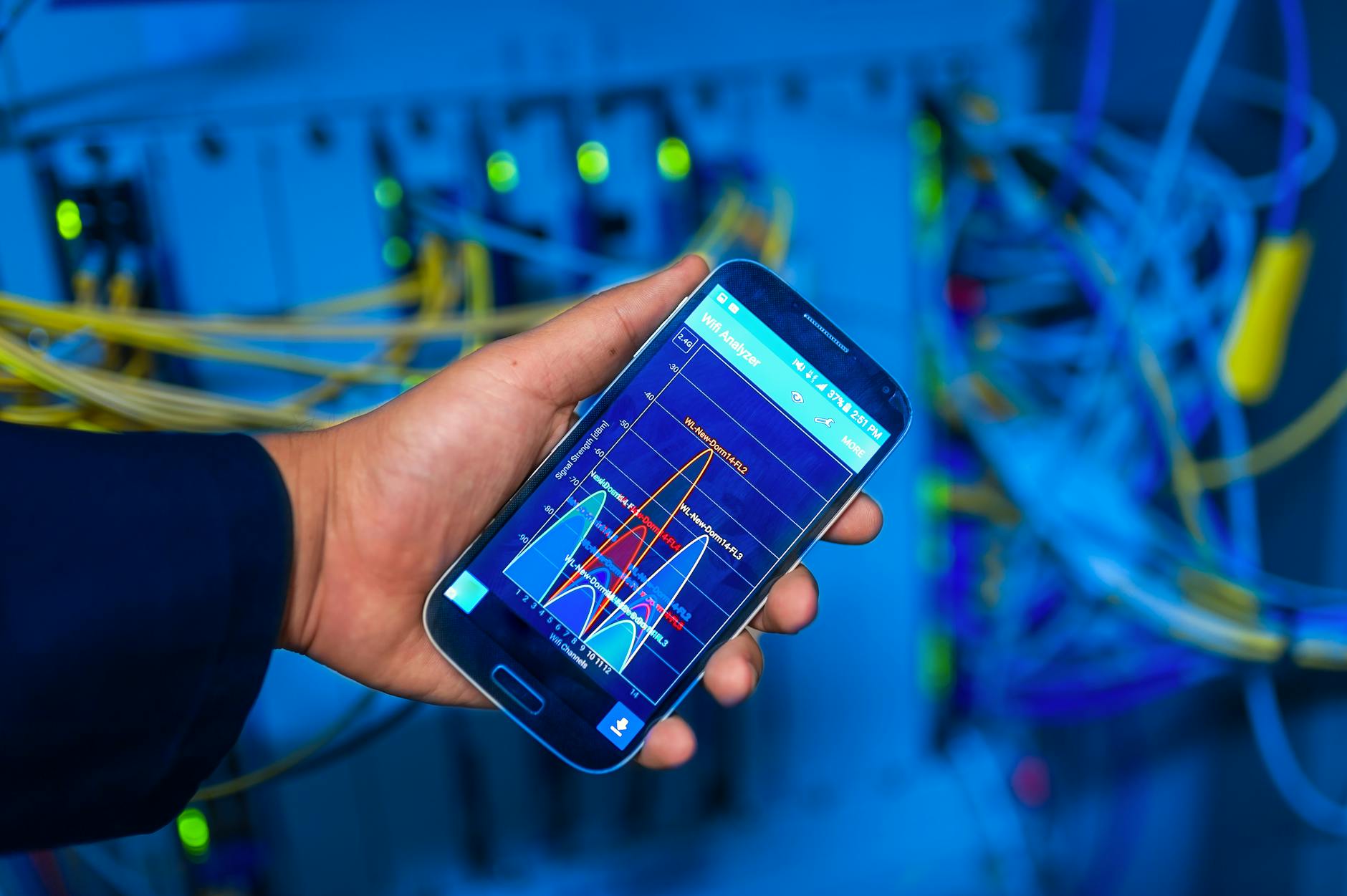
 Photo by fauxels on Pexels
Moving Past the 'AI Chat Sidebar'
When generative AI first emerged, enterprise software rushed to add floating chat drawers in the bottom right corner of existing applications. For enterprise operators handling thousands of transactions, tickets, or supply chain events per hour, chatting with a generic bot was inefficient and distracting.
Supervisory AI Consoles integrate artificial intelligence inline into the operational flow:
- Exception-Based Routing: Rather than reviewing all 10,000 daily events, operators are presented only with the 12 anomalous edge-cases that require human judgment.
- Synthesized Rationales: Alongside recommended resolutions, the model provides traceable citations linking directly to underlying database rows and policy documentation.
- Batch Authorization: Allowing operators to review, tweak, and execute 50 pending approvals simultaneously with a single cryptographic keypress.
Enterprise applications that embrace supervisory UX turn frontline workers from manual data entry clerks into high-leverage systems supervisors.
Discussion (0)
Continue Reading
More production-grade engineering deep dives and architectural guides

Biggest Hack in the World: Binance Suffers Unprecedented $6.3 Billion Multi-Chain Cyberattack
A comprehensive technical autopsy of the $6.3B Binance hot-wallet breach attributed to TraderTraitor (Lazarus Group). How automated sweeping, compromised DevOps credentials, and cross-chain execution sparked the largest heist in financial history.
Mobile Push at 100M Devices: Benchmarking FCM, APNs, and Custom WebSockets
At 100M devices, push fails in the tail, not the median. We break down real delivery-latency percentiles for APNs, FCM, and owned WebSockets, plus a reproducible cost model and the reliability patterns behind 99.99%.

Landing Page Experimentation at 50M Sessions: Client-Side A/B Testing vs. Edge Decisioning vs. Server-Side Flags — Flicker, INP, and Cost per Million Decisions Benchmarked
At 50 million monthly sessions, where your A/B test makes its decision stops being a tooling preference and becomes a Core Web Vitals and P&L decision. This is a head-to-head benchmark of client-side DOM mutation, edge middleware bucketing, and server-side feature flags — measured on CLS flicker, INP, and true cost per million decisions.