Real-Time Adaptive Interfaces: Context-Aware Layout Streaming with Edge Middleware & Postgres
Static personalization based on fixed marketing segments is obsolete. Learn how modern distributed applications adapt visual hierarchies, content density, and user workflows dynamically in sub-10ms edge compute layers.
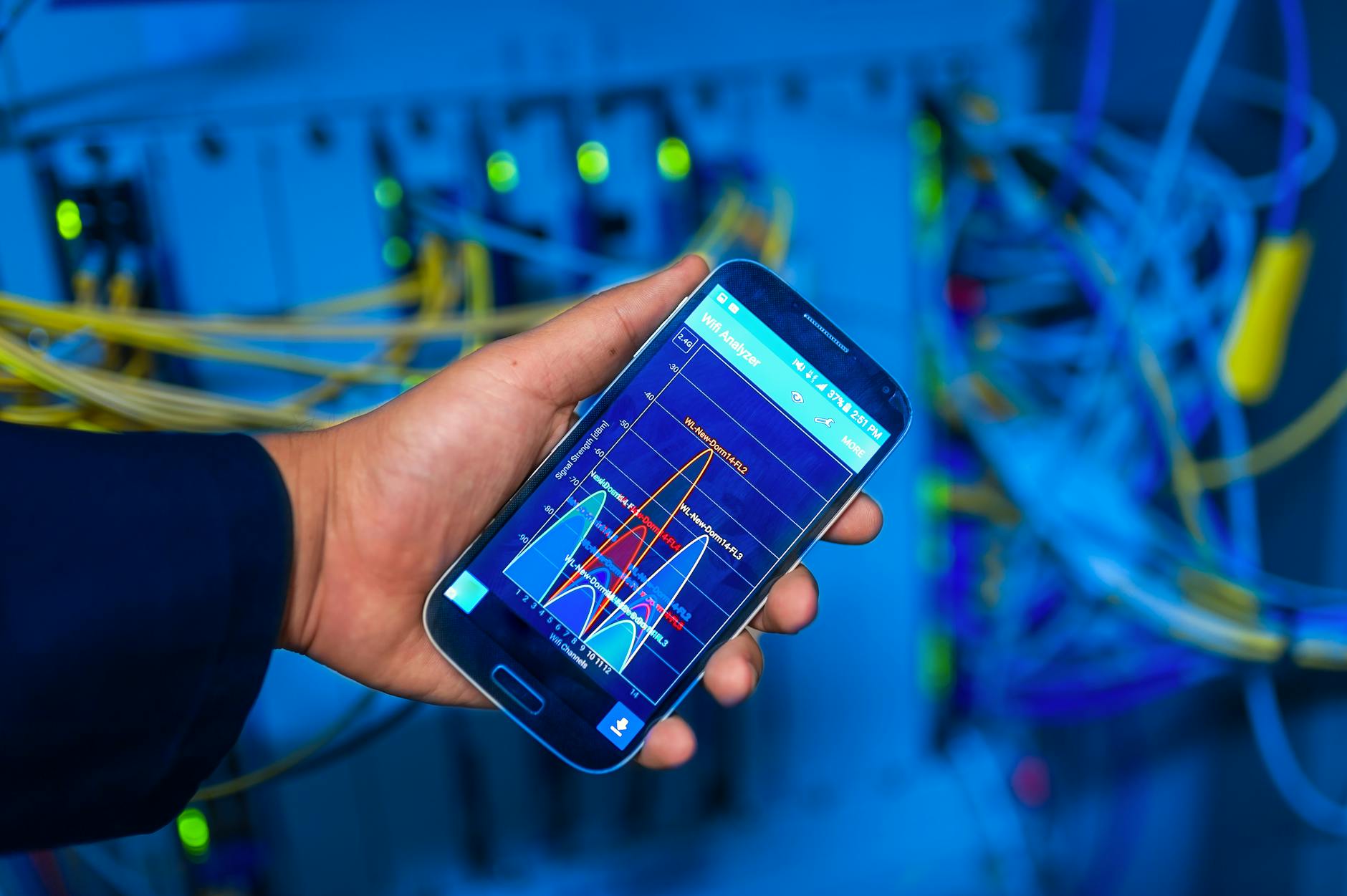
 Photo by fauxels on Pexels
Beyond Static Segmentation
Traditional personalization relies on asynchronous client-side tracking scripts that fire after page load, leading to unpleasant Cumulative Layout Shift (CLS) as content mutates post-render. Real-Time Adaptive Interfaces solve this by evaluating client context, historical mastery, and situational intent directly at the CDN Edge before generating HTML.
Edge Middleware Architecture
- Context Extraction: The edge worker inspects geolocation, connection bandwidth, device capabilities, and authenticated role session cookies in single-digit milliseconds.
- Postgres Edge Cache Read: Cached user competency vectors and layout preferences are retrieved via low-latency connection pools.
- Optimistic Stream Delivery: The server streams the personalized layout variant with zero client-side layout shift.
// Next.js Edge Middleware Dynamic Interface Routing
import { NextResponse, type NextRequest } from "next/server"

export async function middleware(req: NextRequest) {
  const role = req.cookies.get("user_role")?.value || "guest"
  const isPowerUser = req.cookies.get("density_pref")?.value === "compact"

  const response = NextResponse.next()
  response.headers.set("x-ui-density", isPowerUser ? "compact" : "default")
  response.headers.set("x-ui-role", role)
  return response
}
By shifting personalization from clientside mutation to serverside edge synthesis, Core Web Vitals remain pristine while users experience tailored software tailored to their exact workflow.
Discussion (0)
Continue Reading
More production-grade engineering deep dives and architectural guides

Biggest Hack in the World: Binance Suffers Unprecedented $6.3 Billion Multi-Chain Cyberattack
A comprehensive technical autopsy of the $6.3B Binance hot-wallet breach attributed to TraderTraitor (Lazarus Group). How automated sweeping, compromised DevOps credentials, and cross-chain execution sparked the largest heist in financial history.
Mobile Push at 100M Devices: Benchmarking FCM, APNs, and Custom WebSockets
At 100M devices, push fails in the tail, not the median. We break down real delivery-latency percentiles for APNs, FCM, and owned WebSockets, plus a reproducible cost model and the reliability patterns behind 99.99%.

Landing Page Experimentation at 50M Sessions: Client-Side A/B Testing vs. Edge Decisioning vs. Server-Side Flags — Flicker, INP, and Cost per Million Decisions Benchmarked
At 50 million monthly sessions, where your A/B test makes its decision stops being a tooling preference and becomes a Core Web Vitals and P&L decision. This is a head-to-head benchmark of client-side DOM mutation, edge middleware bucketing, and server-side feature flags — measured on CLS flicker, INP, and true cost per million decisions.