Tactile Maximalism in 2026: Why Physical Textures & Bespoke Micro-Details Defeat AI Sameness
As generative tools flood the web with homogenized, interchangeable interfaces, bespoke craftsmanship is experiencing a massive resurgence. Explore how tactile textures, noise grain, deliberate physics, and craft details build enduring digital brand equity.
 Photo by Ann H on Pexels
The Reaction Against Generative Homogeneity
When prompt-based design generators can output a clean, minimalist dashboard in three seconds, clean minimalism ceases to be a competitive differentiator. Users can subconsciously sense algorithmic templates: uniform border radii, identical inter-font typography, and sterile drop shadows.
Tactile Maximalism is the deliberate re-introduction of physical warmth, materiality, and human intentionality into digital design. It combines:
- Procedural Grain & Paper Noise: Subtle SVG turbulence filters that add microscopic depth to solid cards.
- Asymmetrical Layout Accents: Purposeful breaks in the grid that guide optical attention organically.
- Physical Spring Resistance: Dynamic hover and press physics where elements feel weighted, resilient, and mechanical.
<!-- Lightweight SVG Noise Filter Primitive -->
<svg style="display: none;">
  <filter id="tactile-noise">
    <feTurbulence type="fractalNoise" baseFrequency="0.8" numOctaves="3" stitchTiles="stitch" />
    <feColorMatrix type="matrix" values="0 0 0 0 0   0 0 0 0 0   0 0 0 0 0  0 0 0 0.04 0" />
  </filter>
</svg>
Crafting interfaces with weight and intentional friction makes software feel tangible, reliable, and unmistakably engineered by human hands.
Discussion (0)
Continue Reading
More production-grade engineering deep dives and architectural guides

Biggest Hack in the World: Binance Suffers Unprecedented $6.3 Billion Multi-Chain Cyberattack
A comprehensive technical autopsy of the $6.3B Binance hot-wallet breach attributed to TraderTraitor (Lazarus Group). How automated sweeping, compromised DevOps credentials, and cross-chain execution sparked the largest heist in financial history.
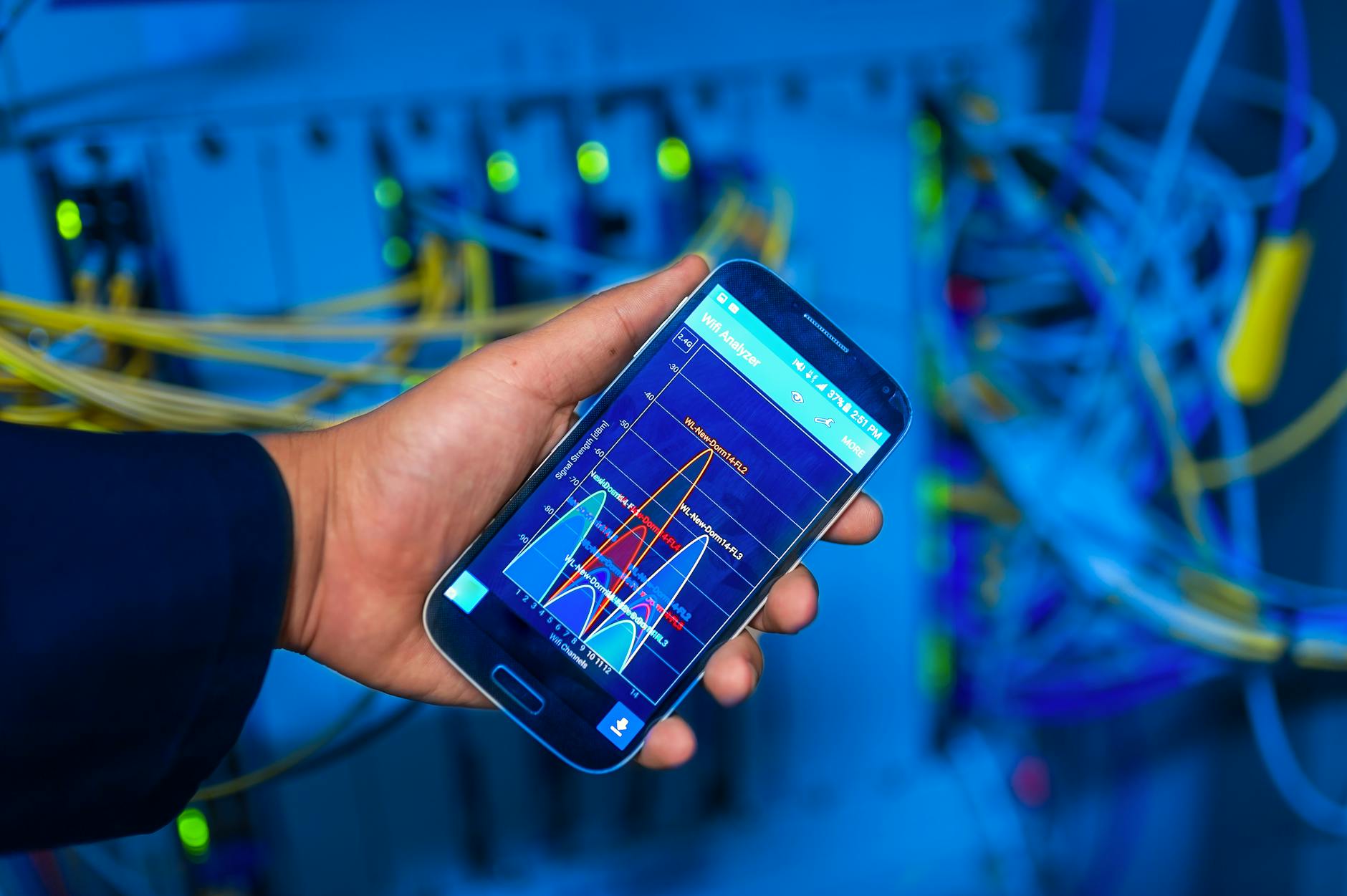
Mobile Push at 100M Devices: Benchmarking FCM, APNs, and Custom WebSockets
At 100M devices, push fails in the tail, not the median. We break down real delivery-latency percentiles for APNs, FCM, and owned WebSockets, plus a reproducible cost model and the reliability patterns behind 99.99%.
Landing Page Experimentation at 50M Sessions: Client-Side A/B Testing vs. Edge Decisioning vs. Server-Side Flags — Flicker, INP, and Cost per Million Decisions Benchmarked
At 50 million monthly sessions, where your A/B test makes its decision stops being a tooling preference and becomes a Core Web Vitals and P&L decision. This is a head-to-head benchmark of client-side DOM mutation, edge middleware bucketing, and server-side feature flags — measured on CLS flicker, INP, and true cost per million decisions.