Blog by Prasanga

Latest engineering insights, architectural deep dives, and modern system patterns by Prasanga Pokharel.

Close-up of server racks in a data center highlighting modern technology infrastructure.Landing Page Examples

Landing Page Experimentation at 50M Sessions: Client-Side A/B Testing vs. Edge Decisioning vs. Server-Side Flags — Flicker, INP, and Cost per Million Decisions Benchmarked

At 50 million monthly sessions, where your A/B test makes its decision stops being a tooling preference and becomes a Core Web Vitals and P&L decision. This is a head-to-head benchmark of client-side DOM mutation, edge middleware bucketing, and server-side feature flags — measured on CLS flicker, INP, and true cost per million decisions.

12 min
Close-up of colorful programming code displayed on a computer monitor with a dark background.Components

10,000-Component Enterprise Design System: Benchmarking CSS-in-JS, Tailwind, CSS Modules, and Vanilla Extract for Build Latency, Runtime Cost, and Bundle Bloat

We rebuilt a 10,000-component enterprise design system four times—once per styling strategy—and measured cold build latency, incremental rebuilds, runtime style insertion, and shipped bytes on identical hardware. Here is the reproducible harness, the numbers, and the per-layer decision matrix that survived contact with production.

12 min
Close-up of JavaScript code on a laptop screen, showcasing programming in progress.Rust

Zero-Cost, Zero-Fear: Accelerating WebAssembly With Rust in Production Browsers

Rust's zero-cost abstractions make it the most credible systems language for WebAssembly, but the JS↔Wasm boundary is where performance and safety both go to die. This deep dive shows how to build a zero-copy, SIMD-accelerated, memory-safe Wasm module — and how to keep it small, observable, and debuggable in production.

11 min

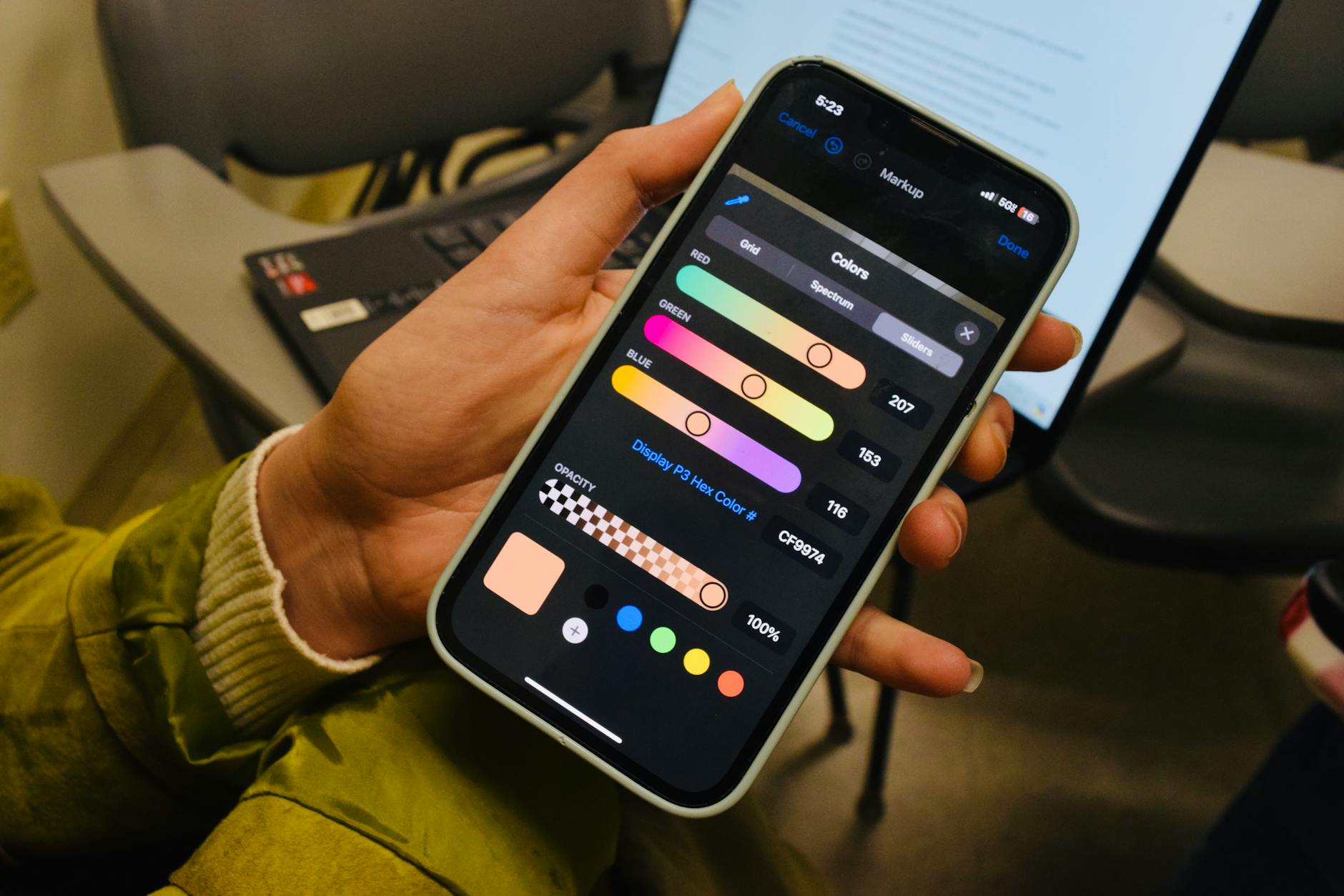
A person browsing a color selection app on a smartphone screen indoors with visible color options.UI Frameworks

Crafting Accessible and Composable Design Systems with Tailwind CSS v4 and Semantic Tokens

Tailwind CSS v4 turned design tokens into real CSS custom properties and moved configuration into the stylesheet — which finally makes semantic token layers, subtree theming, and accessibility state variants enforceable rather than aspirational. This guide builds a production three-tier token architecture, wires light/dark/high-contrast modes without JavaScript, and composes headless accessible primitives on top of it.

11 min